Limb lengthening surgery is a complex orthopaedic procedure used to gradually increase bone length.
It may be considered for selected patients with significant limb length differences, certain deformities or other medical indications. Some adults also enquire about limb lengthening for cosmetic height increase.
One of the most important decisions involves selecting a suitable surgical method.
Among the techniques frequently discussed are LON, PRECICE and FITBONE.
Although these methods share the principle of gradual bone lengthening, their devices, postoperative care requirements and practical limitations differ.
If you are researching limb lengthening in Turkey, understanding these differences can help you prepare for a detailed consultation with an orthopaedic surgeon.
How Does Limb Lengthening Work?
Limb lengthening uses a biological process known as distraction osteogenesis.
During surgery, the surgeon carefully divides a bone through a procedure called an osteotomy.
After an initial healing period, the bone segments are gradually separated using a specialised lengthening system.
New bone tissue develops in the space between the segments.
The surrounding muscles, nerves and other soft tissues must also adapt as lengthening progresses.
Once the desired length has been achieved, the newly formed bone needs time to strengthen and consolidate.
This makes limb lengthening a prolonged process rather than a single operation followed by a short recovery.
1. LON: Lengthening Over Nail
LON stands for Lengthening Over Nail.
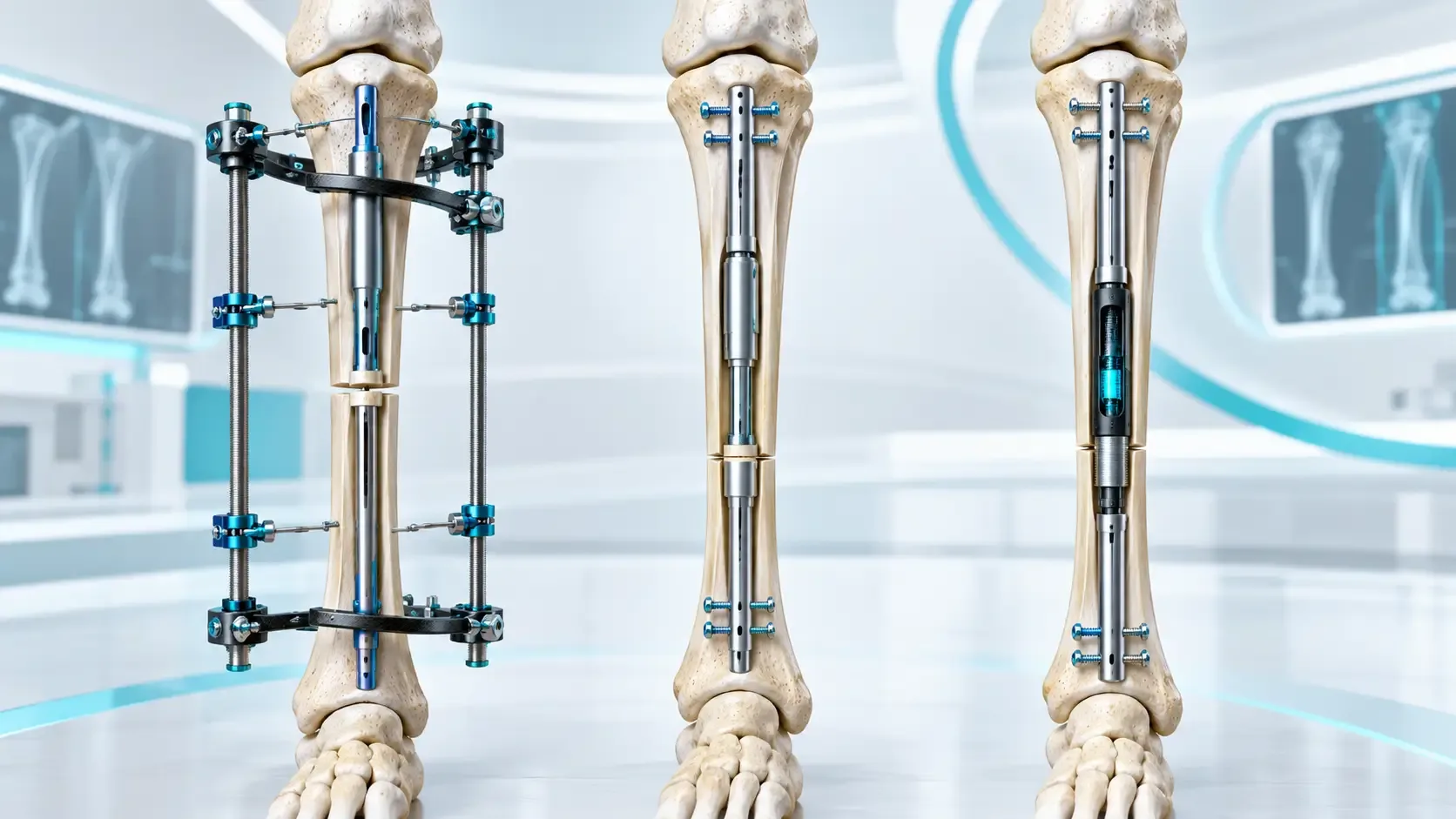
This technique combines an internal intramedullary nail with an external fixation system during the lengthening phase.
The internal nail helps maintain alignment and support the bone, while the external device enables controlled distraction.
Potential Advantages
LON may be considered in selected cases where a combination of internal and external fixation is appropriate.
Its mechanical design differs from fully internal lengthening systems.
Important Considerations
The external frame requires ongoing care and monitoring.
Pins passing through the skin can create potential entry points for infection.
Patients may experience discomfort, difficulty with daily activities or irritation around the fixation sites.
Proper hygiene, follow-up examinations and adherence to the treatment plan are essential.
2. PRECICE: Internal Limb Lengthening
PRECICE is a motorised intramedullary lengthening system.
Unlike methods that depend on an external fixation frame throughout the lengthening process, eligible PRECICE procedures use a specialised nail positioned inside the bone.
The device can be controlled externally to produce gradual lengthening according to the surgeon's prescribed schedule.
Potential Advantages
Because the nail is internal, patients do not need the external frame associated with traditional external lengthening methods during the distraction phase.
This avoids external pin-site care associated with frame-based techniques.
Important Considerations
The suitability of PRECICE depends on factors such as bone dimensions, alignment, anatomical requirements and the specific device's approved indications.
Weight-bearing restrictions vary by nail model and clinical circumstances.
Patients must follow the prescribed activity and rehabilitation limits.
An internal nail does not eliminate surgical risks or the need for frequent monitoring.
3. FITBONE: Motorised Internal Lengthening
FITBONE is another internal limb lengthening system.
Like other intramedullary lengthening technologies, it is designed to support gradual bone distraction using an implanted device.
The mechanism and technical characteristics differ from those of PRECICE.
Potential Advantages
FITBONE offers an internal lengthening approach for appropriately selected patients.
The absence of a traditional external fixation frame during lengthening may simplify some aspects of daily care.
Important Considerations
Not every patient is suitable for an internal motorised nail.
The final decision depends on anatomy, bone condition, device specifications and surgical planning.
Rehabilitation, imaging and adherence to weight-bearing instructions remain essential.
LON vs PRECICE vs FITBONE: Key Differences
Feature | LON | PRECICE | FITBONE |
|---|---|---|---|
Lengthening approach | Internal nail with external fixation | Internal motorised nail | Internal motorised nail |
External fixation frame during lengthening | Yes | No | No |
External pin-site care | Required | Not typically required | Not typically required |
Regular X-ray monitoring | Required | Required | Required |
Physiotherapy | Essential | Essential | Essential |
Weight-bearing restrictions | Depend on surgical plan | Depend on device and surgical plan | Depend on device and surgical plan |
The choice should not be based solely on convenience or the presence of an external frame.
Every technique has specific benefits, limitations and potential complications.
How Much Lengthening Is Possible?
The amount of achievable lengthening varies considerably.
Factors include the bone being treated, existing deformity, joint mobility, muscle flexibility and the patient's overall medical condition.
Trying to achieve excessive lengthening may increase the risk of complications involving nerves, muscles, joints or bone healing.
A surgeon must establish an appropriate lengthening goal based on a detailed clinical assessment.
There is no universally safe number of centimetres that applies to every patient.
What Happens During Recovery?
Recovery generally includes two overlapping priorities: gradual lengthening and the subsequent consolidation of new bone.
During the lengthening phase, regular imaging helps the surgeon assess bone formation and alignment.
Physiotherapy is important for preserving joint mobility and reducing muscle tightness.
Patients may require walking aids and must comply with their individual weight-bearing instructions.
Once lengthening stops, the new bone continues to mature.
The total recovery process can take many months, and some patients may require additional procedures.
A successful treatment plan therefore depends on much more than the operation itself.
What Are the Risks of Limb Lengthening Surgery?
Limb lengthening carries significant risks that should be discussed before making a treatment decision.
Potential complications include:
Infection
Delayed bone healing or failure of bone union
Joint stiffness or contractures
Nerve irritation or injury
Problems with bone alignment
Implant or fixation-device complications
Persistent pain
Additional surgery
Risks differ between techniques and depend on the patient's individual circumstances.
Patients considering cosmetic lengthening should carefully weigh the potential benefit against the recovery burden and possibility of lasting complications.
Choosing a Limb Lengthening Method in Turkey
There is no single technique that is ideal for every patient.
A comprehensive evaluation should consider medical history, physical examination, leg alignment, imaging findings, treatment goals and realistic recovery expectations.
It is also important to discuss practical issues such as accommodation, rehabilitation access, mobility assistance and follow-up care.
Before travelling internationally, patients should understand the expected duration of treatment and how complications would be managed.
Limb Lengthening Consultation in Antalya
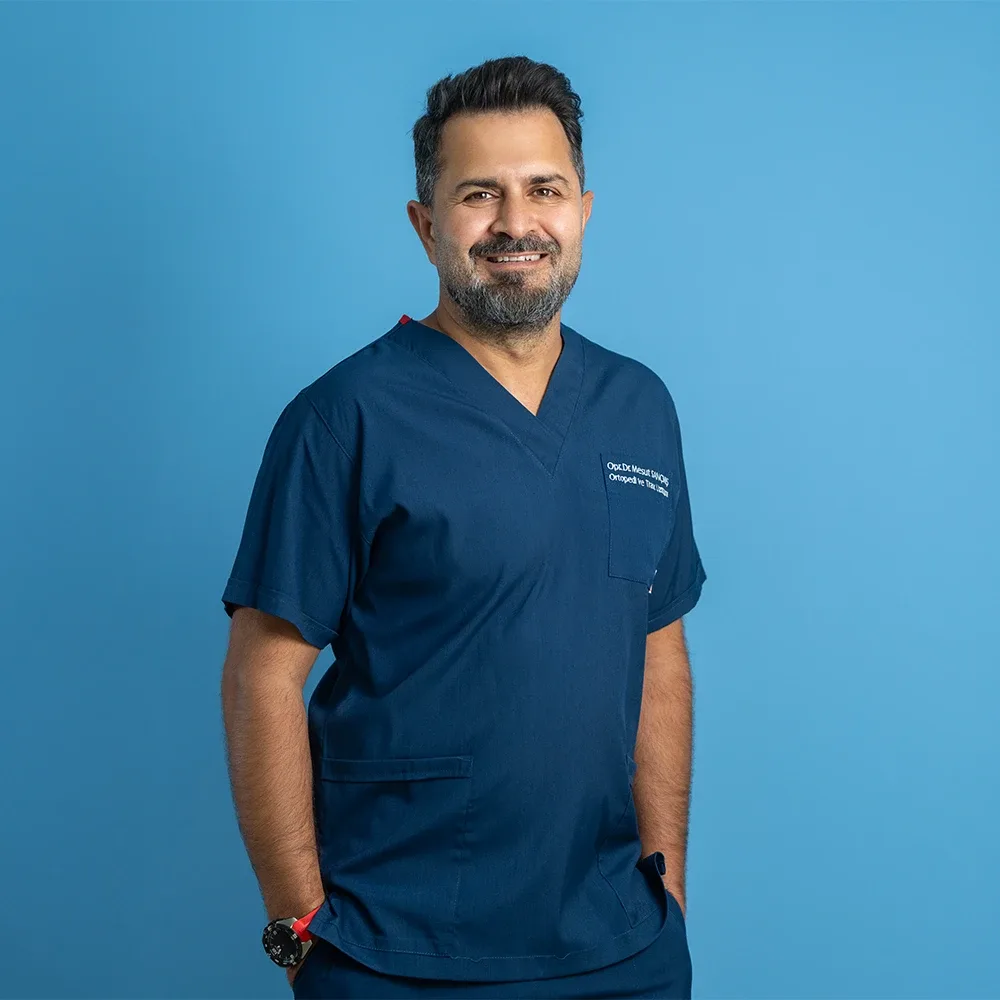
Dr. Mesut Sançmış is an orthopaedic and traumatology specialist based in Antalya, Turkey.
Patients interested in limb lengthening can request an assessment to discuss their goals, medical suitability and potential treatment approaches.
An individual consultation is necessary to determine whether limb lengthening is appropriate and which method may be considered.
Interested in limb lengthening in Turkey? Contact Dr. Mesut Sançmış to request an orthopaedic assessment in Antalya and discuss your available options.
Medical note: This article is intended for general education. Device availability, suitability and permitted uses must be confirmed during clinical evaluation.