A meniscus tear is one of the most common knee injuries, affecting athletes, active adults and older individuals. Although some tears occur suddenly during sports, others develop gradually as the knee's cartilage changes with age.
If you have been diagnosed with a meniscus tear, one of your first questions may be: Do I need surgery, or can my knee heal without an operation?
The answer depends on several factors, including the type and location of the tear, your symptoms, your activity level and the overall condition of your knee.
Understanding these differences can help you make a more informed decision about meniscus treatment in Turkey.
What Is a Meniscus Tear?
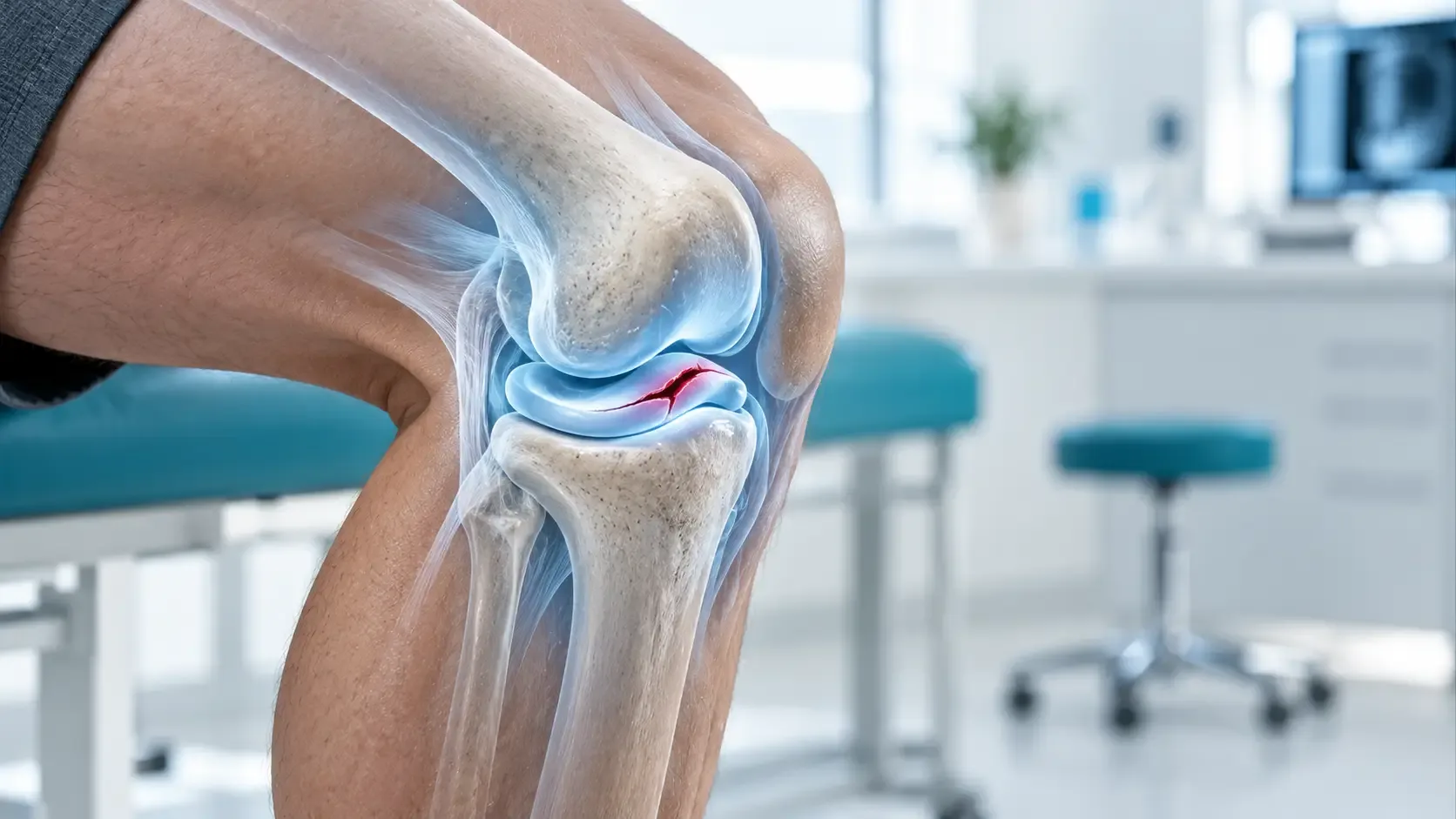
The menisci are two C-shaped pieces of cartilage located between the thighbone and shinbone. They help distribute weight, absorb shock and support knee stability.
A meniscus tear can happen when the knee twists suddenly while the foot remains planted. This is particularly common during activities such as football, basketball and skiing.
However, meniscus damage is not limited to sports injuries. Degenerative tears can develop gradually, particularly in people with age-related changes in the knee.
Common symptoms include:
Pain along the knee joint
Swelling or stiffness
Difficulty bending or straightening the knee
Clicking, catching or locking sensations
Discomfort when squatting or twisting
Not every person with a meniscus tear experiences the same symptoms. Some tears are discovered during imaging performed for another knee problem.
Can a Meniscus Tear Heal Without Surgery?
Yes. Many meniscus tears can be managed without surgery, particularly when symptoms are mild and the knee remains stable.
The outer portion of the meniscus receives a better blood supply than the inner portion. Therefore, tears in certain outer regions have a greater potential to heal.
However, the location of the tear is only one consideration. Its shape, size, age and associated injuries also influence treatment decisions.
Non-surgical management may include physiotherapy, activity modification, pain management and exercises designed to improve muscle strength and knee function.
A structured rehabilitation programme can be particularly helpful for degenerative meniscus tears.
The aim is not necessarily to make every tear disappear on an MRI scan. Instead, treatment focuses on improving pain, movement and everyday function.
When Might Meniscus Surgery Be Recommended?
Surgery may be considered when symptoms continue despite appropriate conservative treatment or when the tear causes significant mechanical problems.
For example, a displaced meniscus tear may prevent the knee from straightening normally.
Certain acute tears, especially in younger or active patients, may also benefit from timely surgical assessment.
An orthopaedic surgeon will consider your symptoms, examination findings and imaging results before recommending a procedure.
Importantly, an MRI showing a tear does not automatically mean surgery is necessary.
Meniscus Repair vs Partial Meniscectomy
There are two commonly discussed surgical approaches.
Meniscus Repair
During meniscus repair, the surgeon uses sutures or specialised devices to reconnect damaged tissue.
The purpose is to preserve as much of the natural meniscus as possible.
Repair may be appropriate when the tear's location, pattern and tissue quality make healing reasonably likely.
Because the repaired tissue needs time to heal, rehabilitation and restrictions on weight-bearing or movement may be more extensive than after a simple trimming procedure.
Partial Meniscectomy
A partial meniscectomy involves removing an unstable or damaged portion of the meniscus that cannot reasonably be repaired.
The surgeon aims to preserve healthy tissue while addressing the part responsible for symptoms.
Recovery may be quicker than after meniscus repair, but removing meniscus tissue can increase pressure on the knee's cartilage over time.
For this reason, preserving meniscal tissue is an important consideration whenever possible.
How Is a Meniscus Tear Diagnosed?
Diagnosis generally begins with a detailed discussion of symptoms and a physical examination.
Your doctor may assess knee movement, swelling, tenderness and stability.
MRI is frequently used to visualise the meniscus and identify associated injuries, including ligament damage.
X-rays may also be recommended to investigate arthritis or other structural conditions, although they do not directly show a meniscus tear.
The final treatment recommendation should consider both your clinical symptoms and imaging results.
What Is Recovery Like After Meniscus Treatment?
Recovery varies significantly depending on whether surgery is required and which procedure is performed.
Patients receiving non-surgical treatment may gradually return to activities as strength, movement and symptoms improve.
After arthroscopic surgery, physiotherapy can help restore knee mobility, muscle control and functional strength.
Meniscus repair generally requires a more cautious rehabilitation process because the repaired tissue must be protected while healing.
A return to sports should be based on medical assessment and functional recovery, not simply on the number of weeks since treatment.
Meniscus Treatment in Antalya, Turkey
Patients considering meniscus treatment in Turkey should first seek an accurate diagnosis and an individualised treatment plan.
At Dr. Mesut Sançmış's orthopaedic practice in Antalya, patients can request an assessment of knee symptoms and discuss potentially suitable treatment approaches.
Treatment decisions depend on the patient's medical history, examination findings and imaging results.
Are you experiencing persistent knee pain or have you been diagnosed with a meniscus tear? Contact Dr. Mesut Sançmış to request an orthopaedic consultation in Antalya, Turkey.
Medical note: This article provides general educational information and does not replace individual medical assessment.